


أكتوبر 10, 2025
English Below
–
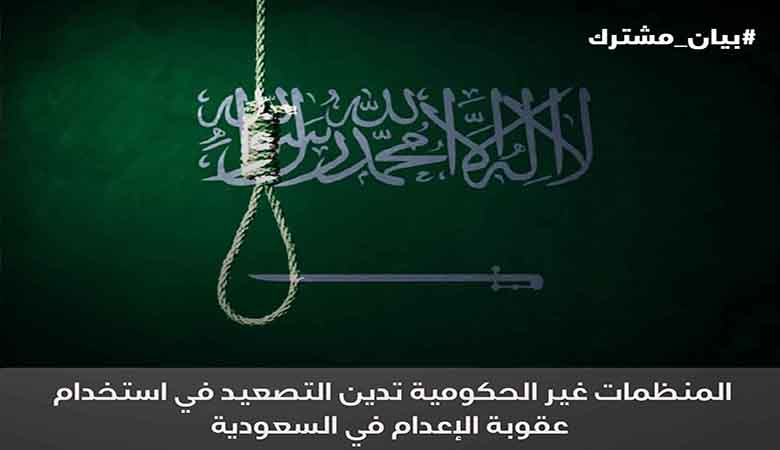
في اليوم العالمي لمناهضة عقوبة الإعدام، نعرب نحن المنظّمات الموقّعة أدناه عن صدمتنا البالغة إزاء الارتفاع المقلق في عدد الإعدامات التي تنفذها السلطات السعوديّة. ففي السنوات الأخيرة، شملت هذه الإعدامات عددًا كبيرًا من الأجانب المدانين في قضايا تتعلق بالمخدرات، ومواطنين سعوديّين حُكم عليهم بسبب ممارستهم المعارضة السلميّة، وشابًا أُعدم على خلفيّة جريمة يُزعم أنه ارتكبها بينما كان لا يزال قاصرًا، وكل ذلك في انتهاكٍ صارخ للقانون الدولي لحقوق الإنسان. ووفقًا لبيانات وكالة الأنباء السعوديًة الرسميّة، فقد نفّذت السلطات ما لا يقل عن 292 حكمًا بالإعدام حتى الآن في عام 2025، من بينهم أربع نساء. وتشير هذه الأرقام إلى أن المملكة تتجه لتجاوز العدد القياسي للإعدامات المسجّل في العام الماضي والبالغ 345 حالة، وذلك في تناقضٍ واضح مع التزاماتها المعلنة بتقييد استخدام عقوبة الإعدام.
ومن بين 292 شخصًا أُعلن رسميًا عن تنفيذ أحكام الإعدام بحقهم منذ مطلع العام وحتى التاسع من أكتوبر الجاري، أُعدم 195 شخصًا بسبب جرائم تتعلق بالمخدرات، من بينهم 151 من الأجانب القادمين من دول آسيويّة وإفريقيّة، منهم: 38 من الصومال، 30 من إثيوبيا، 23 من باكستان، 16 من مصر، و12 من أفغانستان. ويأتي ذلك بعد التراجع عن قرار وقف تنفيذ أحكام الإعدام في قضايا المخدرات الذي كان معمولًا به لمدة 33 شهراً، بين فبراير 2020 ونوفمبر 2022. هذا التطور يثير مخاوف جدّية بشأن حياة مئات السجناء الآخرين المهددين بالإعدام الوشيك على خلفيّة جرائم غير مميتة تتعلق بالمخدرات.
تُعدّ هذه الإعدامات انتهاكًا واضحًا للقانون الدولي لحقوق الإنسان، الذي يحظر تطبيق عقوبة الإعدام في الجرائم التي لا ترقى إلى مستوى “أخطر الجرائم”، أي تلك التي تنطوي على القتل العمد. علاوةً على ذلك، أكدت منظّمات حقوقيّة، استنادًا إلى وثائق قضائيّة وشهادات موثوقة، وجود نمط متكرر من الانتهاكات التي يتعرض لها الأجانب أثناء اعتقالهم واحتجازهم ومحاكمتهم. وتشمل هذه الانتهاكات الحرمان من الدعم القنصلي، وغياب التمثيل القانوني الكافي، ونقص خدمات الترجمة المناسبة وعدم الحصول على وثائق المحكمة، مما يؤدي إلى استحالة إعداد دفاع قانوني سليم أو تقديم استئناف فعال.
كما أُعدم 34 رجلًا في عام 2025 بتهمٍ مرتبطة بالإرهاب، وهي تهم قد تمتد — بحسب التعريف الواسع لمفهوم الإرهاب في القانون السعودي — إلى أفعال لا تستوجب عقوبة الإعدام بطبيعتها. وفي إحدى هذه القضايا، مثّل الإعدام المفاجئ للصحفي السعودي تركي الجاسر في 14 يونيو، بعد سبع سنوات من الاختفاء القسري، مثالًا صارخًا على كيفيّة استخدام السلطات السعوديّة لعقوبة الإعدام كسلاح لقمع حريّة التعبير داخل المملكة. وفي الوقت نفسه، لا يزال العالمان الإسلاميان سلمان العودة وحسن فرحان المالكي، اللذان طالب الادعاء العام بإعدامهما استنادًا إلى تهمٍ صيغت بعبارات غامضة وغير محدّدة، يواجهان محاكماتٍ مطوّلة دون أسبابٍ معروفة.
كما تُخفق السلطات السعوديّة في الوفاء بوعودها التي تبيّن أنها زائفة فيما يتعلق باستخدام عقوبة الإعدام ضد القُصّر. إذ يحظر القانون الدولي لحقوق الإنسان فرض عقوبة الإعدام على جرائم ارتُكبت عندما كان مرتكبوها قاصرين، إلا أن إعدام الشاب السعودي جلال اللبّاد في 21 أغسطس 2025، بعد إدانته بجرائم يُزعم أنه ارتكبها قبل بلوغه سن الثامنة عشرة، ينسف ادعاءات السلطات بأنها أنهت هذه الممارسة. وُلد اللبّاد في 3 أبريل 1995، وقد اعتُقل بسبب مشاركته في احتجاجات 2011-2012 التي نُظمت ضد التمييز الواقع على المجتمع الشيعي المهمَّش في السعوديّة، وبسبب حضوره جنازات ضحايا قُتلوا على أيدي قوات الأمن. وصدر الحكم بحقه عقب محاكمة جائرة للغاية لم تستوفِ أدنى معايير المحاكمة العادلة، واعتمدت بشكل شبه كامل على اعترافات انتُزعت تحت التعذيب.
يثير إعدام جلال اللبّاد مخاوف بالغة بشأن مصير متهمين آخرين من الأحداث الذين يواجهون خطر الإعدام الوشيك، من بينهم عبدالله الدرازي، الذي أيدت المحكمة العليا حكم إعدامه، وهو الآن بانتظار مصادقة الملك لتنفيذه. كما تم مؤخرًا تأييد أحكام الإعدام الصادرة بحق أربعة آخرين من قبل محكمة الاستئناف الجزائيّة المتخصّصة، وهم: يوسف المناصف، علي حسن السبيتي، جواد قريريص، وحسن الفرج.
تعد السعودية منذ سنواتٍ من أكثر الدول في العالم تنفيذًا لأحكام الإعدام، إذ نفذ فيها 345 حكمًا بالإعدام في عام 2024، وهو أعلى عدد سنوي سُجّل منذ عام 1990. وفي ظل غياب الشفافيّة، وتنفيذ بعض الإعدامات سرًا، يُرجَّح أن تكون الأرقام الحقيقية أعلى من المعلَن عنها. وغالبًا ما لا تُخطر السلطات عائلات المحكومين مسبقًا بموعد تنفيذ الإعدام، كما لا يوجد سجل عام متاح للجمهور بأسماء من تم إعدامهم، الأمر الذي يُقوّض الشفافيّة والمساءلة بشكلٍ أكبر.
ومع ذلك، وبينما تواصل السلطات السعوديّة ارتكاب هذه الانتهاكات الجسيمة لحقوق الإنسان، فهي تبذل في الوقت نفسه جهودًا حثيثة لإعادة تقديم المملكة على الساحة الدوليّة كدولة حديثة وتقدميّة، وتسعى إلى إبهار العالم بمشاريع عملاقة مثل مشروع “نيوم”، واستثمارات ضخمة في قطاع الرياضة العالميّة، بما في ذلك استضافة كأس العالم لكرة القدم لعام 2034، إلى جانب الفعاليات الترفيهيّة الباذخة مثل مهرجان الرياض للكوميديا الذي يُنظم هذا الخريف في تناقضٍ صارخٍ مع واقع القمع القائم. وعليه، ينبغي على المجتمع الدولي أن يبقى مركزًا على الواقع الفعلي في المملكة، بما في ذلك الارتفاع الحاد في عدد الإعدامات خلال العامين الماضيّين والحملة المنهجيّة المستمرة لقمع حريّة التعبير.
في اليوم العالمي لمناهضة عقوبة الإعدام، ندعو السلطات السعوديّة إلى ما يلي:
· فرض وقف فوري لتنفيذ جميع أحكام الإعدام، تمهيدًا لإلغاء عقوبة الإعدام بشكلٍ كامل لجميع الجرائم؛
· في انتظار الإلغاء التام، تعديل التشريعات السعوديّة لإزالة الأحكام التي تنص على عقوبة الإعدام بما يخالف المعايير الدوليّة، بما في ذلك تطبيقها في الجرائم المتصلة بالمخدرات والأفعال “الإرهابية” ذات التعريف الفضفاض؛
· استبدال جميع أحكام الإعدام بعقوباتٍ أخرى، بما يشمل القاصرين والمحكومين في قضايا لا تنطوي على القتل العمد؛
· ضمان الشفافيّة الكاملة في نشر بيانات الإعدامات، والسماح بالرقابة المستقلة على أوضاع المحكومين بالإعدام؛
· الإفراج غير المشروط عن جميع من صدرت بحقهم أحكام بالإعدام أو سُجنوا بسبب ممارستهم السلميّة لحقوقهم الأساسيّة.
كما نحثّ مجلس حقوق الإنسان التابع للأمم المتحدة والإجراءات الخاصّة ذات الصلة على مراقبة وتوثيق علني للجوء المتزايد للسعوديّة إلى تنفيذ أحكام الإعدام، وندعو شركاء المملكة الدوليّين إلى التعبير العلني عن موقفهم والضغط من أجل فرض وقفٍ مؤقت لتنفيذ الإعدامات، في انتظار الإلغاء التام.
المنظّمات الموقّعة:
ACAT-ألمانيا
الأكاديمية الدبلوماسية الإفريقية
القسط لحقوق الإنسان
أمريكيون من أجل الديمقراطية وحقوق الإنسان في البحرين
منظّمة العفو الدوليّة
تحالف المدافعين عن حقوق الإنسان الصوماليين
نقابة المحامين في بورتو ريكو
مركز كورنيل لعقوبة الإعدام في جميع أنحاء العالم
التركيز على عقوبة الإعدام
جمعية معًا لمناهضة عقوبة الإعدام
المفوضية المصرية للحقوق والحريات
المنبر المصري لحقوق الإنسان
المبادرة المصرية للحقوق الشخصية
المنظّمة الأوروبيّة السعوديّة لحقوق الإنسان
فير سكوير
فيمينا
التحالف الألماني لإلغاء عقوبة الإعدام
مركز الخليج لحقوق الإنسان
المنظمة الدولية للحد من الضرر
وكالة أنباء هورن أفريك لحقوق الإنسان
مركز إعلام حقوق الإنسان والديمقراطية “شمس”
هيومانيتي دياسبو
معهد حقوق الإنسان التابع لنقابة المحامين الدولية
الاتحاد الدولي لحقوق الإنسان
لجنة العدالة الأحداث وحقوق الطفل في نقابة المحامين في لاهور
لجنة حقوق الإنسان في كينيا
مراقبة الوعي القانوني في باكستان
المركز القانوني لحقوق الإنسان
معهد المساعدة القانونية المجتمعية
منّا لحقوق الإنسان
المنظّمة التونسيّة لمناهضة التعذيب
ريبريف
سيناء لحقوق الإنسان
مشروع الإدماج في نيجيريا
معهد UIA لسيادة القانون
مجموعة العمل للعدالة الانتقالية
NGOs condemn escalating use of the death penalty in Saudi Arabia
On this World Day Against the Death Penalty, we, the undersigned organisations, express our horror at the alarming surge in executions in Saudi Arabia. In recent years, these have included numerous foreign nationals convicted of drug-related offences, Saudi citizens sentenced for peaceful dissent, and a young man executed for an offence allegedly committed while he was still a child – all in clear violation of international human rights law. According to data from the official Saudi Press Agency, the authorities have executed at least 292 people so far in 2025, including four women. They are on course to exceed last year’s record number of 345 executions, in contradiction of their own commitments to limit the use of the death penalty.
Of the 292 individuals publicly reported as having been executed so far this year (as of 9 October), 195 were executed for drug-related crimes, 151 of whom were foreign nationals from Asian and African countries including Somalia (38), Ethiopia (30), Pakistan (23), Egypt (16) and Afghanistan (12). This follows the reversal of a previously announced moratorium on executions for such offences that remained in place for 33 months between February 2020 and November 2022, and raises fears for the lives of hundreds of other prisoners threatened with imminent execution for non-lethal drug-related offences.
Such executions are in clear violation of international human rights law, which prohibits the use of the death penalty for crimes that do not meet the “most serious crimes” threshold, which refers to intentional killing. Furthermore, rights groups have confirmed, from court documents and testimonies, a pattern of abuses suffered by foreign nationals in the course of their arrest, detention and trial. These include lack of access to consular support, legal representation, adequate interpretation and court documents, and hence the inability to mount a proper legal defence or appeal.
Further, 34 men have been executed in 2025 for “terrorism”-related offences, which, according to the vague and overly broad definition of terrorism in Saudi law, can include a wide range of non-lethal acts. In one such case, the sudden execution of Saudi journalist Turki al-Jasser on 14 June, after seven years of enforced disappearance, dramatically illustrated how the Saudi authorities weaponise the use of the death penalty as a tool to repress freedom of expression in the Kingdom. Meanwhile, Islamic scholars Salman al-Odah and Hassan Farhan al-Maliki, for whom the Public Prosecutor has called for the death penalty on a range of vaguely formulated charges, continue to have their trials drag on for unknown reasons.
The Saudi authorities are also failing to deliver on what have proved to be false promises in relation to the use of the death penalty for juveniles. International human rights law prohibits the imposition of the death penalty for crimes committed by people when they were children; however, the execution on 21 August 2025 of Saudi youth Jalal Labbad, convicted of crimes allegedly committed when he was under 18 years of age, invalidates the authorities’ claim to have ended this practice. Labbad, born 3 April 1995, was arrested for participating in 2011-2012 protests against the treatment of Saudi Arabia’s marginalised Shia community and attending funeral processions for those killed by security forces. His sentencing followed a grossly unfair trial that failed to meet basic standards of due process and relied almost exclusively on confessions extracted under torture.
Labbad’s execution raises grave fears for other child defendants at imminent risk of execution, including Abdullah al-Derazi, whose death sentence was upheld by the Supreme Court and is now pending the king’s ratification for implementation. Four others, Youssef al-Manasef, Ali Hassan al-Subaiti, Jawad Qureiris and Hassan al-Faraj, recently had their death sentences upheld by the Specialised Criminal Court of Appeal.
Saudi Arabia has for years been among the countries carrying out the highest number of executions in the world, with 345 executions carried out in 2024, the highest annual figure reported since 1990. In the absence of transparency, and with executions sometimes carried out in secret, the real figures may be even higher. Families are often not notified in advance of executions, and there is no publicly accessible record of those executed, which further undermines transparency and accountability.
Yet while continuing to carry out these egregious human rights abuses, the Saudi authorities are at the same time striving to rebrand the kingdom on the international stage as modern and progressive, and to dazzle with megaprojects such as Neom, massive investments in global sports, including the 2034 FIFA World Cup, and the hosting of glitzy entertainment like this autumn’s incongruous Riyadh Comedy Festival. The international community should remain focused on the reality on the ground, including the past two years’ spike in executions and the ongoing systematic crackdown on free speech.
On this World Day Against the Death Penalty, we call on the Saudi authorities to:
Implement an immediate moratorium on all executions, with a view to abolishing the death penalty for all crimes;
Pending full abolition, amend Saudi legislation to remove death penalty provisions that breach international standards, including its use for drug-related offences and vaguely defined “terrorist acts”;
Commute the sentences of all those on death row, including child offenders and those convicted of non-lethal offences;
Ensure full transparency in the publication of execution data and allow independent monitoring of death row conditions; and
Unconditionally release all those sentenced to death or imprisoned for peacefully exercising their fundamental rights.
We also urge the UN Human Rights Council and relevant UN special procedures to monitor and publicly report on Saudi Arabia’s increasing resort to executions, and call on the kingdom’s international partners to speak out and press for a moratorium pending full abolition of the death penalty.
Signatories:
ACAT Germany (Action by Christians for the Abolition of Torture)
African Academy of Diplomacy (AAD)
ALQST for Human Rights
Americans for Democracy and Human Rights in Bahrain (ADHRB)
Amnesty International
Coalition of Somali Human Rights Defenders (CSHRD)
Colegio de Abogados y Abogadas de Puerto Rico (Puerto Rico Bar)
Cornell Center on the Death Penalty Worldwide (CCDPW)
Death Penalty Focus
ECPM (Together Against the Death Penalty)
Egyptian Commission for Rights and Freedoms (ECRF)
Egyptian Human Rights Forum (EHRF)
Egyptian Initiative for Personal Rights (EIPR)
European Saudi Organisation for Human Rights (ESOHR)
FairSquare
Femena
German Coalition to Abolish the Death Penalty (GCADP)
Gulf Centre for Human Rights (GCHR)
Harm Reduction International (HRI)
Horn Afrik News Agency for Human Rights (HANAHR)
Human Rights and Democracy Media Center (SHAMS)
Humanity Diaspo
International Bar Association’s Human Rights Institute (IBAHRI)
International Federation for Human Rights (FIDH)
Juvenile Justice and Child Rights Committee of Lahore Bar Association (2021–2026)
Kenya Human Rights Commission
Legal and Human Rights Centre (LHRC)
Legal Awareness Watch Pakistan (LAW)
Lembaga Bantuan Hukum Masyarakat (Community Legal Aid Institute)
MENA Rights Group
Organization Against Torture in Tunisia (OCTT)
Reprieve
Sinai Foundation for Human Rights (SFHR)
The Inclusion Project Nigeria (TIP)
The UIA Institute for the Rule of Law (UIA-IROL)
Transitional Justice Working Group (TJWG)